

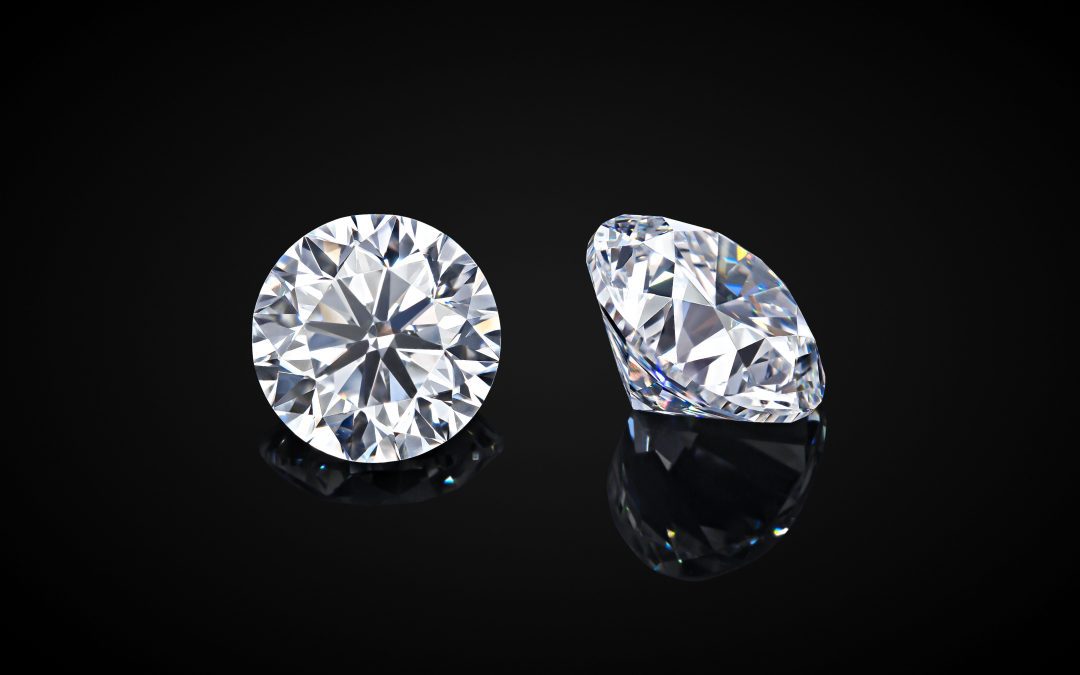
Choosing the right diamond carat size is a crucial decision when selecting a piece of jewelry, particularly for engagement rings. Carat size impacts not only the appearance of the diamond but also its cost and how it complements the wearer’s style. This guide will help you understand what diamond carat size is right for you, considering various factors that influence this important choice.
Understanding Carat Weight
What is a Carat?
A carat is a unit of weight used to measure diamonds and other gemstones. One carat is equivalent to 200 milligrams. Carat weight is one of the Four Cs (Cut, Color, Clarity, Carat) that determine a diamond’s value. It is essential to distinguish carat weight from size; while they are related, two diamonds of the same carat weight can appear different in size due to their cut.
Carat vs. Size
A well-cut diamond can appear larger than its carat weight suggests, while a poorly cut diamond may look smaller. The way a diamond is cut influences its surface area and depth, affecting its perceived size. Therefore, when choosing a carat size, consider both the weight and the cut to Understanding the Four Cs in Relation to Carat Size
Understanding Carat Size in Relation to the Four Cs
Cut
The cut of a diamond significantly affects its brilliance and how light reflects through it. A well-cut diamond can appear larger and more sparkling than a poorly cut diamond of the same carat weight. This is because a superior cut enhances the diamond’s ability to reflect light, making it look more vibrant and substantial.
- Importance of Cut Quality: Prioritizing a high-quality cut can make a diamond with a smaller carat weight appear larger and more dazzling. Even if you opt for a slightly smaller carat size to fit your budget, an excellent cut will ensure the diamond shines brilliantly.
- Visual Impact: For example, a 0.90-carat diamond with an excellent cut can look as impressive as a 1-carat diamond with a fair cut due to its superior light performance.
Color
Diamond color ranges from colorless (graded D) to light yellow or brown (graded Z). Understanding the color scale can help you make an informed choice, especially if you are trying to balance carat size with budget.
- Cost Considerations: Diamonds with slight tints (grades G-H) are often less expensive than completely colorless diamonds (grades D-F). This allows you to allocate more of your budget towards increasing the carat size without compromising overall appearance.
- Visual Perception: A diamond with a slightly lower color grade can still appear nearly colorless to the naked eye, especially when set in certain metals (like yellow gold), allowing for a larger carat size within the same budget.
Clarity
Clarity refers to the presence of internal (inclusions) or external (blemishes) imperfections in a diamond. Clarity grades range from Flawless (no inclusions visible under 10x magnification) to Included (inclusions visible to the naked eye).
- Price and Appearance: Higher clarity grades are more expensive. However, many inclusions are not visible without magnification. Choosing a diamond with a slightly lower clarity grade (like VS1 or VS2) can reduce costs, allowing you to opt for a larger carat size.
- Practical Tips: Inclusions in lower clarity grades (SI1 or SI2) might still be invisible to the naked eye, especially if they are located on the sides of the diamond or masked by the setting. This can be a strategic way to increase carat size without significantly affecting visual appeal.ensure you get the desired appearance.
Diamond Shapes and Perceived Size
Different diamond shapes can affect the perceived size of a diamond. Some shapes appear larger than others of the same carat weight due to their dimensions and how they are cut. Understanding these differences can help you choose a diamond shape that meets your aesthetic preferences and enhances the perceived size.
Round Brilliant Cut
The round brilliant cut is the most popular diamond shape due to its exceptional brilliance and fire. This cut features 58 facets that are precisely arranged to reflect the maximum amount of light, creating a dazzling sparkle. However, the round brilliant cut often has a greater depth, which means more of the carat weight is distributed in the diamond’s lower portion. As a result, it can sometimes appear smaller than other shapes of the same carat weight when viewed from above.
Visual Size Factors
- Depth vs. Diameter: The depth of the round brilliant cut can make the diamond look smaller in diameter compared to more shallow cuts.
- Brightness: Despite its smaller appearance, the round brilliant cut’s intense sparkle often compensates for its perceived size, drawing attention and admiration.
Oval, Marquise, and Pear Shapes
Oval, marquise, and pear-shaped diamonds are known for their elongated forms, which cover more surface area on the finger. This characteristic makes them appear larger per carat compared to round diamonds. The length-to-width ratio of these shapes creates an illusion of greater size, enhancing their visual impact.
Visual Size Factors
- Surface Area: The larger surface area of these shapes makes them look more substantial than round diamonds of the same carat weight.
- Finger Coverage: These elongated shapes can make the fingers appear longer and more slender, adding to their elegant appeal.
Emerald and Asscher Cuts
Emerald and Asscher cuts are step-cut diamonds known for their larger, open facets that create a hall-of-mirrors effect. These cuts have a rectangular or square shape with truncated corners, providing a different kind of brilliance compared to brilliant cuts. Their step-cut faceting emphasizes clarity and depth, giving them an elegant and sophisticated appearance.
Visual Size Factors
- Facet Arrangement: The larger, step-cut facets reflect light in broad flashes rather than the smaller, more numerous facets of brilliant cuts. This can make the diamond appear larger and more substantial.
- Table Size: The flat top (table) of step-cut diamonds is usually more expansive, increasing the visible surface area and enhancing the perception of size.
Choosing the Right Shape for Visual Impact
Selecting a diamond shape that maximizes visual size can be a strategic way to enhance the overall appearance of your diamond jewelry. Here are a few tips:
- Consider Finger Size and Shape: Longer, elongated shapes like oval, marquise, and pear can make fingers appear slimmer and longer, which might be particularly flattering for shorter fingers.
- Balance with Setting: The setting can also influence the perceived size. Halo settings, for instance, add a ring of smaller diamonds around the center stone, making it appear larger regardless of shape.
- Personal Style: Choose a shape that complements your personal style. While some prefer the classic brilliance of a round cut, others might favor the unique elegance of an emerald or Asscher cut.
Budget Considerations
Choosing the right diamond carat size is not only about finding the perfect aesthetic balance but also understanding how carat weight affects the price, value, and potential return on investment. Here’s an in-depth look at how carat weight influences these factors and what you should consider when making your purchase.
Exponential Increase in Price
One of the most significant aspects of diamond pricing is that the cost increases exponentially with carat weight. This means that as you move from one carat to two carats, the price per carat also increases substantially. For instance, a two-carat diamond is not just twice the price of a one-carat diamond; it can be significantly more because larger diamonds are rarer and more sought after.
Example:
- A 1-carat diamond might cost $5,000.
- A 2-carat diamond of similar quality might cost $20,000 or more.
This exponential increase is due to the scarcity and demand for larger diamonds. As carat weight increases, the rarity of finding a flawless or nearly flawless diamond of that size also increases, driving up the price.
Resale Value
The resale value of a diamond can vary. Generally, larger diamonds with excellent quality (high cut, color, and clarity grades) hold their value better and may appreciate over time. However, it’s important to note that selling a diamond usually fetches a lower price than buying one due to retail markups and other factors.
Long-Term Value
Investing in a larger diamond with excellent quality can potentially provide a better long-term return. As larger diamonds become rarer, their value can increase. However, market conditions and demand can fluctuate, impacting the long-term value.
Ring Settings and Their Influence
The setting of a diamond ring can also influence its visual appearance. Certain settings are designed to enhance the perceived size of the diamond:
- Halo Setting: A halo of smaller diamonds surrounds the center stone, making the overall appearance larger and more dazzling.
- Bezel Setting: While this setting encircles the diamond with a metal rim, which can slightly reduce the visible size, it offers excellent protection and can add a modern touch.
- Three-Stone Setting: Featuring a larger central diamond flanked by two smaller diamonds, this setting can make the center stone look more prominent and substantial.
Finger Size and Diamond Proportions
The size of your finger also impacts how large a diamond appears. A one-carat diamond can look more substantial on slender fingers, while it might seem smaller on larger hands. Therefore, it’s important to consider finger size when selecting the right carat weight to achieve the desired visual effect.
Conclusion
Choosing the right diamond carat size involves balancing personal preferences, lifestyle, budget, and aesthetics. Whether you prefer a subtle sparkle or a bold statement, understanding the factors that influence carat size will help you make the best choice. At Beard Fine Jewelers, we offer a wide range of diamond sizes and settings to suit every style and budget. Visit us to find the perfect diamond that complements your unique personality and enhances your beauty.