

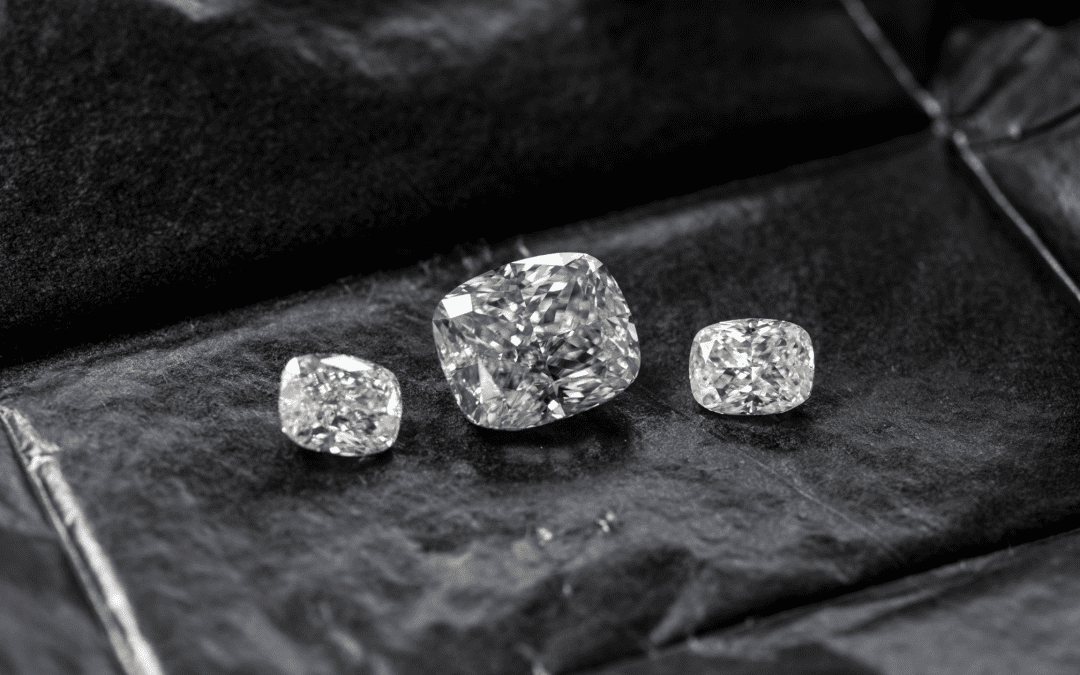
Diamonds are revered for their brilliance, beauty, and rarity. However, like all natural gemstones, they are not always perfect. One of the most significant factors that influence a diamond’s clarity and value is the presence of inclusions. Understanding what inclusions are and how they affect a diamond’s appearance and value is crucial for making an informed purchase. At Beard Fine Jewelers, we believe in empowering our customers with knowledge. This comprehensive guide delves into the nature of inclusions in diamonds, helping you understand their characteristics and implications.
What Are Inclusions?
Inclusions are internal characteristics or imperfections within a diamond. They are essentially tiny flaws that occur naturally as the diamond forms deep within the Earth under extreme pressure and heat. These imperfections can take various forms, including crystals of other minerals, tiny fractures, or irregularities within the diamond itself.
Types of Inclusions
Inclusions can vary widely in size, shape, color, and location within the diamond. Here are some common types of inclusions:
- Crystals and Mineral Inclusions: Small crystals or minerals trapped inside the diamond. These can be of different shapes and colors.
- Feathers: Internal cracks or fractures that resemble feathers. They can affect the diamond’s durability if they reach the surface.
- Clouds: Groups of tiny pinpoints that appear hazy or cloudy when viewed under magnification.
- Needles: Long, thin inclusions that resemble tiny rods.
- Pinpoints: Very small dots that can appear singly or in clusters.
- Graining: Lines or streaks within the diamond that may or may not affect its transparency.
How Inclusions Affect a Diamond
Clarity Grade
The clarity grade of a diamond is determined by the number, size, type, and position of inclusions, as well as how easily they are seen. The Gemological Institute of America (GIA) uses a clarity scale that ranges from Flawless (no inclusions visible under 10x magnification) to Included (inclusions visible to the naked eye). The fewer and smaller the inclusions, the higher the clarity grade and the more valuable the diamond.
Light Performance
Inclusions can impact a diamond’s light performance, which includes brilliance, fire, and scintillation. Large or numerous inclusions can obstruct light passage, reducing the diamond’s sparkle and overall visual appeal. This is why diamonds with higher clarity grades tend to exhibit better light performance.
Clarity Grade and Certification
The clarity grade assigned to a diamond in its certification reflects the overall impact of its inclusions. This grade is crucial for determining the diamond’s value and desirability.
The GIA clarity scale ranges from Flawless (FL) to Included (I3). Each grade provides insight into the diamond’s visual purity:
- Flawless (FL) and Internally Flawless (IF): No visible inclusions or blemishes under 10x magnification.
- Very, Very Slightly Included (VVS1 and VVS2): Inclusions are extremely difficult to see under 10x magnification.
- Very Slightly Included (VS1 and VS2): Minor inclusions that are slightly easier to see under 10x magnification.
- Slightly Included (SI1 and SI2): Noticeable inclusions under 10x magnification, often invisible to the naked eye.
- Included (I1, I2, and I3): Inclusions are visible to the naked eye and may affect transparency and brilliance.
Inclusions and Diamond Value
The presence of inclusions plays a significant role in determining a diamond’s value, primarily through its influence on the clarity grade. Higher clarity grades indicate fewer and smaller inclusions, making these diamonds rarer and more visually pure. Here’s an in-depth look at how inclusions and clarity grades affect diamond value.
Value and Clarity Grade
The clarity grade of a diamond is one of the 4Cs (Clarity, Cut, Color, Carat Weight) that collectively determine its value. The clarity grade is assigned based on the number, size, type, and position of inclusions within the diamond, as well as their visibility under 10x magnification.
- Flawless (FL): Diamonds that are Flawless have no internal or external inclusions visible under 10x magnification. These diamonds are incredibly rare, representing less than 1% of all diamonds, and therefore command the highest prices. Their rarity and absolute purity make them highly sought after by collectors and investors.
- Internally Flawless (IF): Internally Flawless diamonds have no internal inclusions and only minor surface blemishes visible under 10x magnification. While slightly more common than Flawless diamonds, they still represent a small fraction of available diamonds and are highly valued for their near-perfect clarity.
- Very, Very Slightly Included (VVS1 and VVS2): VVS diamonds have inclusions that are so minute that they are extremely difficult to see even under 10x magnification. These diamonds are less rare than FL and IF diamonds but are still considered to have excellent clarity. They offer a high degree of visual purity at a slightly lower price point, making them a desirable choice for those seeking high clarity without the premium of Flawless or Internally Flawless diamonds.
- Very Slightly Included (VS1 and VS2): VS diamonds contain minor inclusions that are visible under 10x magnification but generally not to the naked eye. These inclusions are small enough that they do not significantly impact the diamond’s appearance. VS diamonds are valued for their good balance of clarity and affordability, making them popular for engagement rings and fine jewelry.
- Slightly Included (SI1 and SI2): SI diamonds have noticeable inclusions under 10x magnification, and some inclusions may be visible to the naked eye. Despite this, SI diamonds can still be beautiful, especially when inclusions are strategically placed or minimized by the setting. They offer great value for those who prioritize carat weight or color over absolute clarity.
- Included (I1, I2, and I3): Included diamonds have obvious inclusions that are visible to the naked eye and can affect the diamond’s transparency and brilliance. These diamonds are the most affordable and can be an option for those on a strict budget or for use in jewelry where inclusions are less of a concern, such as fashion jewelry.
The Influence of Inclusion Characteristics on Value
Size and Visibility
The size and visibility of inclusions play a crucial role in determining a diamond’s clarity grade and, consequently, its value. Larger inclusions that are easily visible will lower the clarity grade more than smaller, less noticeable ones.
Type and Position
Certain types of inclusions and their positions within the diamond can have a more significant impact on value. For example, inclusions located under the table (the top, flat facet of the diamond) are more visible and impactful than those near the girdle (the outer edge). Similarly, feathers that reach the surface can compromise the diamond’s durability more than internal pinpoints, affecting both value and longevity.
Impact on Light Performance
Inclusions that obstruct light passage can reduce the diamond’s brilliance and fire, diminishing its overall beauty and appeal. Diamonds with higher clarity grades typically exhibit better light performance, enhancing their desirability and value.
Balancing Clarity with Other Factors
Holistic Approach to Value
While clarity is a crucial factor in determining a diamond’s value, it is important to consider the other 4Cs (Cut, Color, and Carat Weight) to get a complete picture of the diamond’s worth. A diamond with a lower clarity grade but excellent cut and color can still be highly valued and visually stunning.
Cut Quality
The cut of a diamond has the most significant impact on its brilliance and fire. Even diamonds with lower clarity grades can exhibit exceptional sparkle if they are well-cut. Therefore, it is often worthwhile to prioritize cut quality to ensure maximum light performance and beauty.
Color
The color grade of a diamond affects its value and appearance. Colorless diamonds (graded D-F) are more valuable and rare. Balancing color and clarity can help you find a diamond that offers great value and visual appeal.
Carat Weight
Larger diamonds are rarer and more valuable, but balancing size with clarity and cut quality is essential for overall beauty. A slightly lower clarity grade can be acceptable if it allows you to choose a larger, well-cut diamond within your budget.
Conclusion
Inclusions significantly influence a diamond’s clarity grade and value. Understanding how inclusions affect these aspects can help you make an informed decision when selecting a diamond. By balancing clarity with cut, color, and carat weight, you can find a diamond that offers exceptional beauty and value. At Beard Fine Jewelers, we are dedicated to helping you find the perfect diamond that meets your highest standards of quality and elegance.
Visit Beard Fine Jewelers to explore our exquisite collection of diamonds and receive personalized guidance from our knowledgeable team.