

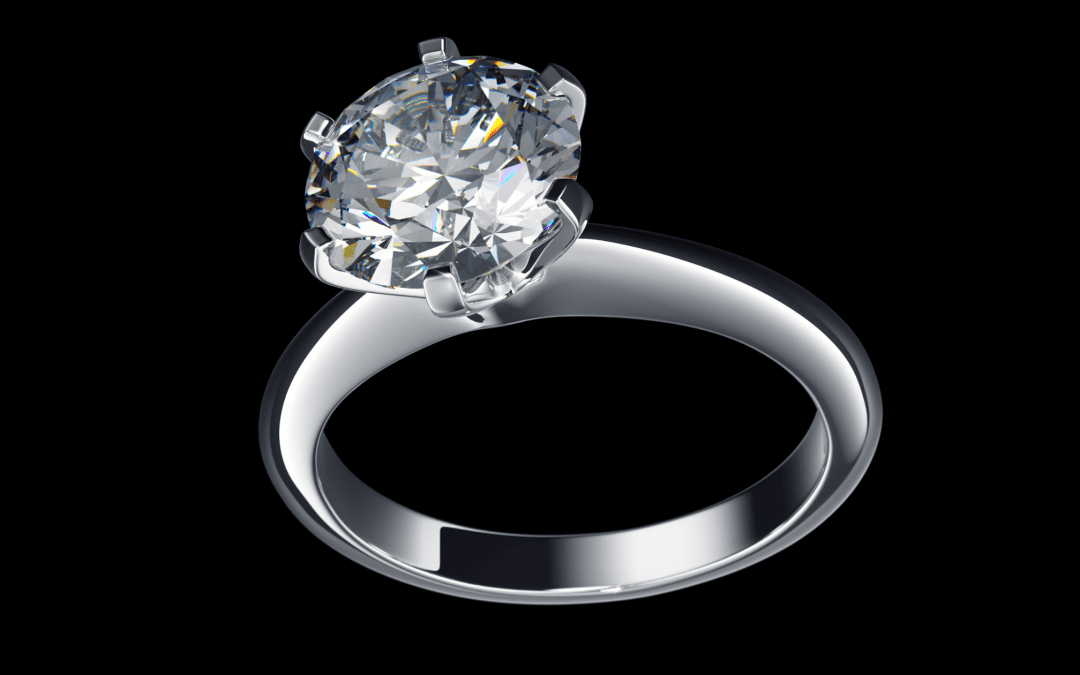
Choosing the perfect diamond ring setting is an essential step in creating a stunning and timeless piece of jewelry. The right setting not only enhances the beauty of the diamond but also reflects the wearer’s style and preferences. In this guide, we’ll explore various aspects to consider when selecting a diamond ring setting, ensuring you make an informed decision.
Types of Ring Settings
Choosing the right ring setting is essential to enhance the beauty and security of your diamond. Each setting style has unique characteristics and benefits that can influence the overall look and durability of the ring. Here’s a deeper, practical look at some of the most popular types of ring settings:
Prong Setting
The prong setting, often referred to as a claw setting, is a timeless choice known for its simplicity and elegance. This setting uses metal prongs to secure the diamond in place, typically with four or six prongs. This allows maximum light to enter the diamond from multiple angles, enhancing its brilliance and sparkle. Prong settings are versatile and suitable for various diamond shapes and sizes, making them an excellent option for different styles. They are also relatively easy to clean and maintain, allowing light to pass through the diamond freely.
Bezel Setting
A bezel setting encircles the diamond with a metal rim, securing it firmly in place. This setting offers a contemporary look and is highly protective. The metal rim safeguards the diamond from chips and damage, making it ideal for those with active lifestyles. The bezel setting provides a smooth, modern look that complements various diamond shapes. Additionally, with no prongs to catch on clothing, the bezel setting is a practical choice for everyday wear.
Pavé Setting
The pavé setting features small diamonds embedded into the band, creating a surface that appears to be paved with diamonds. This setting adds significant sparkle and intricacy to the ring. The numerous small diamonds increase the overall brilliance and glamour of the ring. Pavé settings are perfect for those who appreciate detailed, intricate designs, enhancing the overall appearance of the ring.
Halo Setting
A halo setting surrounds the center diamond with a ring of smaller diamonds, enhancing its size and brilliance. This setting is ideal for those seeking a glamorous and striking look. The halo of smaller diamonds makes the center diamond appear larger and more prominent. The additional diamonds enhance the overall brilliance and radiance of the ring. Halo settings work well with various diamond shapes, adding a touch of elegance and sophistication.
Channel Setting
In a channel setting, diamonds are set into a groove within the band, creating a smooth, flush appearance. This setting is popular for wedding bands and eternity rings. The channel setting protects the diamonds from damage and wear while providing a sleek, streamlined look. The flush design prevents snagging on clothing or other objects, offering a sophisticated and elegant appearance.
Tension Setting
The tension setting uses the ring’s metal band to hold the diamond in place through pressure, creating the illusion that the diamond is floating. This setting is highly attractive and distinctive, providing a modern, eye-catching design. The minimal metal obstruction allows maximum light exposure to the diamond, enhancing its brilliance. The tension setting is designed to hold the diamond securely in place, combining aesthetics with security.
Bar Setting
The bar setting features diamonds held in place by vertical metal bars, exposing the sides of the diamonds while providing substantial protection. The bar setting offers a balance between protection and visibility, creating a sophisticated and refined look. It is suitable for various diamond shapes and can be used in both engagement rings and wedding bands.
Three-Stone Setting
The three-stone setting features three diamonds, typically representing the past, present, and future. This setting is both symbolic and aesthetically balanced. The three-stone setting adds sentimental value with its symbolism while providing a harmonious and timeless appearance. It also allows for the combination of different diamond shapes and sizes, offering versatility in design.
Matching Diamond Shape and Setting
The diamond shape plays a crucial role in determining the best setting. Different shapes have unique characteristics that require specific settings to enhance their beauty and ensure their security. Let’s dive into how to match diamond shapes with the ideal settings.
Round Diamonds
Round diamonds are the most popular and versatile shape. Their brilliant cut maximizes sparkle, making them suitable for various settings. The classic prong setting is a favorite for round diamonds, allowing maximum light exposure and brilliance. A four-prong setting offers a modern look, while a six-prong setting provides extra security.
Suitable Settings
- Prong Setting: Highlights the diamond’s brilliance.
- Halo Setting: Enhances size and sparkle.
- Bezel Setting: Offers protection and a sleek look.
Princess-Cut Diamonds
Princess-cut diamonds are square-shaped with sharp, uncut corners. They combine brilliance and modern style, making them a popular choice. The channel setting is excellent for princess-cut diamonds, protecting the corners and creating a smooth, contemporary appearance.
Suitable Settings
- Channel Setting: Protects corners and offers a seamless look.
- Prong Setting: Maximizes light exposure.
- Bezel Setting: Provides excellent protection.
Cushion-Cut Diamonds
Cushion-cut diamonds have rounded corners and larger facets, giving them a vintage charm with a modern twist. The halo setting is particularly stunning for cushion-cut diamonds, accentuating their softness and enhancing their sparkle.
Suitable Settings
- Halo Setting: Adds brilliance and a vintage touch.
- Prong Setting: Highlights the diamond’s facets.
- Bezel Setting: Offers a modern, secure option.
Emerald-Cut Diamonds
Emerald-cut diamonds are rectangular with step cuts, emphasizing clarity over brilliance. Their elongated shape exudes sophistication, making them perfect for bezel or halo settings that protect the edges while highlighting the stone’s clarity.
Suitable Settings
- Bezel Setting: Provides protection and a clean look.
- Halo Setting: Adds sparkle and enhances the shape.
- Prong Setting: Allows maximum light exposure.
Oval Diamonds
Oval diamonds offer a unique blend of round brilliance and elongated elegance. They create the illusion of longer, slender fingers. Prong and halo settings are ideal for oval diamonds, enhancing their shape and brilliance.
Suitable Settings
- Prong Setting: Maximizes sparkle and brilliance.
- Halo Setting: Enhances the diamond’s size.
- Bezel Setting: Provides protection and a modern look.
Marquise Diamonds
Marquise diamonds are elongated with pointed ends, creating a dramatic and regal look. Because of their pointed tips, bezel and halo settings are excellent choices to protect the diamond and enhance its shape.
Suitable Settings
- Bezel Setting: Protects the pointed ends.
- Halo Setting: Adds brilliance and size.
- Prong Setting: Highlights the diamond’s unique shape.
Pear-Shaped Diamonds
Pear-shaped diamonds combine the brilliance of round cuts with the unique shape of marquise cuts. The pointed end requires secure settings like bezel or halo to prevent damage and enhance the overall look.
Suitable Settings
- Bezel Setting: Offers excellent protection for the pointed end.
- Halo Setting: Enhances brilliance and size.
- Prong Setting: Allows for maximum light exposure.
What to Look for When Choosing a Diamond Ring Setting
Choosing a diamond ring setting involves considering various factors to ensure the final piece is both beautiful and practical. Here are some key aspects to take into account:
Quality of Craftsmanship
Examine the ring setting closely to ensure high-quality craftsmanship. Look for smooth finishes, well-secured prongs, and precise placement of accent diamonds. High-quality settings will not have visible flaws, rough edges, or weak points.
Band Width and Thickness
The width and thickness of the band affect both comfort and aesthetics. A thicker band can offer more security and durability but might feel heavier. Conversely, a thinner band provides a delicate look but may not be as sturdy.
Inner Band Design
Consider rings with comfort-fit designs that have rounded inner edges, making them more comfortable for daily wear. Ensure the ring feels comfortable and doesn’t pinch or irritate the skin.
Metal Choice and Compatibility
Choose a metal color that complements the diamond and suits personal preferences. White metals like platinum and white gold enhance the diamond’s brilliance, while yellow and rose gold offer a warmer, vintage look. Ensure the metal choice aligns with the wearer’s skin tone and existing jewelry.
Maintenance Requirements
Settings like pavé or halo require more maintenance to keep the small diamonds secure. Prong and bezel settings might be more practical for daily wear and easier to maintain.
Conclusion
Choosing the perfect diamond ring setting involves balancing aesthetics, practicality, and personal preferences. By understanding the different types of settings and considering factors like lifestyle, metal choice, and diamond shape, you can make an informed decision that results in a beautiful and enduring piece of jewelry. Remember, the right setting will enhance the diamond’s beauty and create a ring that will be cherished for a lifetime.