

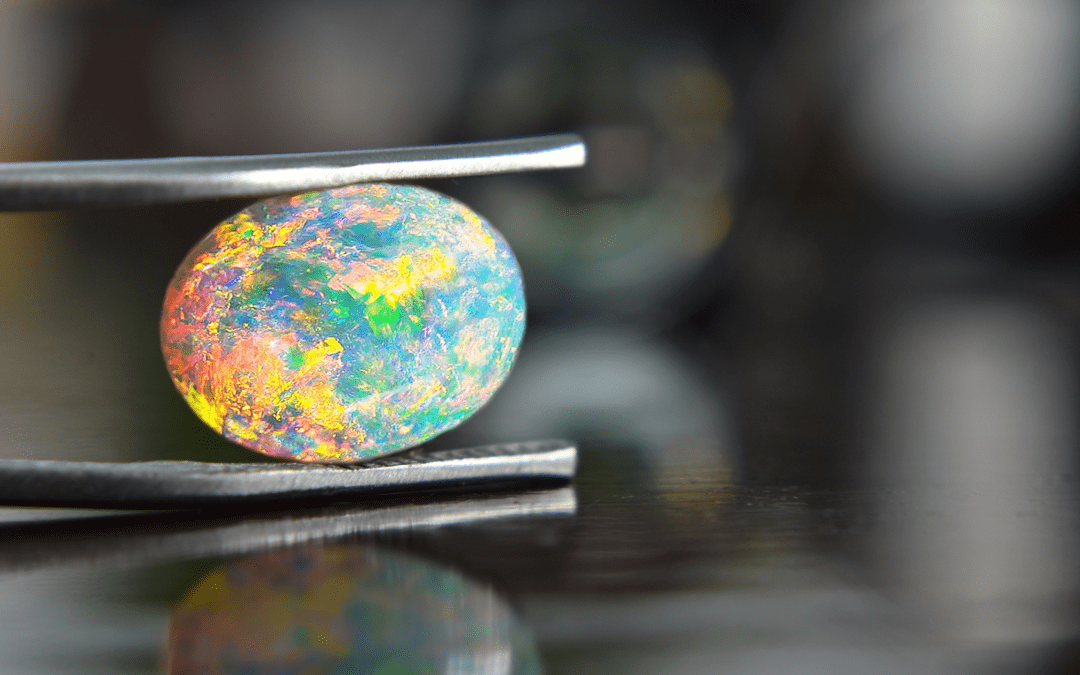
Opals are mesmerizing gemstones known for their unique play of color, where flashes of green, blue, red, and orange shimmer across their surface. While their beauty is undeniable, opals are also delicate stones that require special care to maintain their brilliance and prevent damage. In this guide, we’ll take you through everything you need to know about caring for opals, from cleaning tips to storage practices, ensuring your opal jewelry stays in pristine condition.
The Intricate Beauty of Opals
Opals stand out among gemstones because of their unique and fascinating structure, which gives them their signature play of color, often referred to as “opalescence.” However, this very structure is what makes opals more delicate and prone to damage compared to other gemstones like diamonds, sapphires, or rubies. To fully understand why opals need extra care, it’s important to break down their composition and the specific challenges it presents.
The Composition of Opals
Unlike most gemstones, which are formed from crystal structures, opals are composed of tiny, microscopic spheres of silica. These silica spheres are arranged in a grid-like pattern, and it’s the diffraction of light as it passes through these spheres that creates the brilliant flashes of color opals are known for. Depending on how these spheres are arranged, the colors can vary, with smaller spheres producing blues and greens, and larger spheres creating reds and oranges. This delicate structure is unlike the solid, dense crystal formations of gems like diamonds or emeralds, making opals more fragile by nature.
Adding to their delicacy, opals contain water—up to 20% of their composition in some cases. This water content plays a crucial role in the stone’s appearance and stability. It helps keep the opal hydrated, but also makes the stone more susceptible to changes in its environment. Because of this, opals can be affected by sudden temperature shifts or environments that are too dry, both of which can lead to cracking, known as “crazing.” Crazing happens when the water content within the opal evaporates too quickly, causing the stone to become brittle and form cracks across its surface.
Why Opals Are More Vulnerable Than Other Gemstones
When comparing opals to harder gemstones like diamonds, which are renowned for their durability, opals fall significantly lower on the hardness scale. Diamonds rank at a perfect 10 on the Mohs hardness scale, while opals typically range between 5.5 and 6.5. This means opals can be easily scratched or chipped, even during routine wear. While this softer quality is part of what makes opals feel smooth and lustrous, it also means they are more prone to damage from everyday activities.
The combination of softness and water content makes opals vulnerable in several ways:
- Scratching: Opals can be easily scratched by harder materials. For instance, even a simple knock against a countertop or the accidental rubbing of your opal ring against a piece of jewelry with a harder stone like a diamond can lead to scratches.
- Cracking: Opals are more prone to cracking, not just from impacts, but also due to environmental changes. Temperature fluctuations, particularly rapid changes from hot to cold, can cause the opal to expand and contract, leading to internal stress and cracking. This is why opals should never be exposed to extreme temperatures or rapid shifts, such as moving from a hot environment into a cold one.
- Dehydration: Opals are sensitive to dry environments. If an opal loses too much of its water content, it can dry out and become brittle, making it more susceptible to crazing. This is particularly important in climates with low humidity, where opals can gradually lose moisture if not cared for properly.
Handling Opals with Care
Because of these vulnerabilities, opals require special attention and specific care techniques to ensure they maintain their stunning appearance over time. While other gemstones may be able to withstand rough handling or exposure to chemicals, opals are far more delicate and need to be treated with a gentler touch.
Here are a few key handling tips to keep in mind:
- Avoid Rough Impact: Since opals are softer than other stones, it’s important to avoid wearing opal rings or bracelets during activities where they may be bumped or scratched. Activities like exercising, gardening, or even household chores can expose your opal jewelry to unnecessary risk.
- Watch Out for Temperature Extremes: Opals should not be exposed to rapid temperature changes. For instance, wearing an opal ring into a hot tub or sauna, and then immediately going outside into cold weather can put the stone at risk for cracking. Always remove your opal jewelry before engaging in activities that involve extreme temperatures.
- Humidity and Moisture Maintenance: To prevent dehydration, opals should be stored in an environment with stable humidity. In especially dry climates, you can place your opal jewelry with a slightly damp cloth or cotton ball to help retain moisture. This simple precaution can go a long way in preventing the stone from drying out and becoming brittle.
Cleaning Opals
Proper cleaning is one of the key factors in maintaining your opal jewelry. However, opals are softer and more porous than other gems, so they require gentle care during the cleaning process.
Step-by-Step Cleaning Process
Use Mild Soap and Water: To clean your opals, use a mixture of lukewarm water and a mild, non-abrasive soap. Avoid using any harsh chemicals or cleaners, as these can damage the stone.
- Soft Cloth or Brush: Gently wipe the opal with a soft, lint-free cloth. If there is dirt in crevices around the setting, use a very soft toothbrush to carefully clean the area. Avoid scrubbing the surface of the opal itself.
- Rinse Thoroughly: After cleaning, rinse the opal in lukewarm water to remove any soap residue. Ensure the water is not too hot or too cold, as temperature extremes can stress the stone.
- Dry with Care: Use a clean, soft cloth to pat the opal dry. Allow the opal to air-dry completely before storing or wearing it.
What to Avoid
- Ultrasonic Cleaners: Never use ultrasonic or steam cleaners on opals, as the intense vibrations and heat can cause the stone to crack or lose its brilliance.
- Chemical Cleaners: Stay away from bleach, ammonia, or any strong household cleaners that could erode the opal’s delicate surface.
Conclusion
Opals are a true marvel of nature, prized for their vibrant play of color and unique structure. However, this beauty comes with the need for special care and attention. Understanding the delicate nature of opals—formed from silica spheres and containing water—helps explain why these gems require a gentler approach to cleaning, storage, and everyday wear. By being mindful of their vulnerabilities to scratching, cracking, and environmental changes, you can ensure that your opal jewelry continues to dazzle for years to come.
At Beard Fine Jewelers, we offer expert guidance on how to properly care for your opal jewelry, as well as a stunning collection of opal pieces. Visit us to explore our opal selection and receive personalized advice on maintaining the lasting beauty of your opal treasures.