

Buying a loose diamond is a significant investment, and the process can be both exciting and daunting. At Beard Fine Jewelers, we aim to make this journey as smooth and informative as possible. This guide will help you navigate the essential aspects of purchasing a loose diamond, ensuring you make a confident and well-informed decision.
Understanding the 4Cs
The first step in buying a loose diamond is understanding the 4Cs: Carat, Cut, Color, and Clarity. These are the fundamental criteria that determine a diamond’s quality and value.
Carat
- Definition: Carat refers to the weight of the diamond. One carat equals 200 milligrams.
- Consideration: Larger diamonds are rarer and generally more expensive, but size isn’t the only factor. The cut, color, and clarity can also significantly influence the diamond’s appearance and value.
- Tip: Understand that a higher carat weight does not always equate to a more beautiful diamond. Balance carat with the other 3Cs to find the best diamond for your needs.
Cut
- Definition: The cut of a diamond affects its brilliance. It refers to how well the diamond’s facets interact with light.
- Grading: Cut is graded from Excellent to Poor. A well-cut diamond will reflect light beautifully, creating exceptional sparkle.
- Factors: The cut involves proportions, symmetry, and polish. Proportions relate to the depth and width of the diamond, which affect how light travels through it. Symmetry is the precision of the diamond’s shape and facet placement, while polish refers to the smoothness of the diamond’s surface.
- Tip: Opt for a diamond with a cut grade of Very Good or Excellent for maximum brilliance. A superior cut can make a diamond appear larger and more brilliant than a poorly cut diamond of the same carat weight.
Color
- Definition: Diamond color is graded on a scale from D (colorless) to Z (light yellow or brown).
- Preference: Colorless diamonds (D-F) are the most valuable as they allow the most light to pass through, enhancing their brilliance.
- Tip: Near-colorless diamonds (G-J) can offer good value with minimal noticeable color differences to the naked eye. For those on a budget, consider diamonds in the near-colorless range, especially if the setting is in white gold or platinum, which can make the diamond appear whiter.
Clarity
- Definition: Clarity measures the presence of inclusions or blemishes in a diamond.
- Grading: The clarity scale ranges from Flawless (no inclusions or blemishes visible under 10x magnification) to Included (inclusions visible to the naked eye).
- Tip: Diamonds with a clarity grade of VS1 or higher typically have inclusions that are not visible to the naked eye, making them excellent choices. If you’re on a budget, SI1 or SI2 diamonds can be good options as inclusions are often not visible without magnification.
Setting Your Budget
Determining your budget before shopping for a loose diamond is crucial. Knowing your financial limits helps narrow down choices and ensures you find a diamond that offers the best value for your money.
- Strategy: Allocate a portion of your budget to the diamond and the rest to the setting. Remember that the setting can significantly enhance the overall look of the diamond, so it’s important to balance both aspects.
Choosing a Diamond Shape
Diamonds come in various shapes, each offering a unique look. The most popular shapes include:
- Round: Classic and timeless, offering maximum brilliance. This shape is the most popular due to its unmatched sparkle and versatility.
- Princess: Modern and chic, with sharp corners and a square shape. It offers a contemporary look while maintaining substantial brilliance.
- Emerald: Elegant and sophisticated, with a rectangular shape and step cuts. This shape highlights the diamond’s clarity and gives a distinct, sophisticated look.
- Oval: Similar brilliance to round diamonds but with an elongated shape. This shape can make the finger appear longer and slimmer.
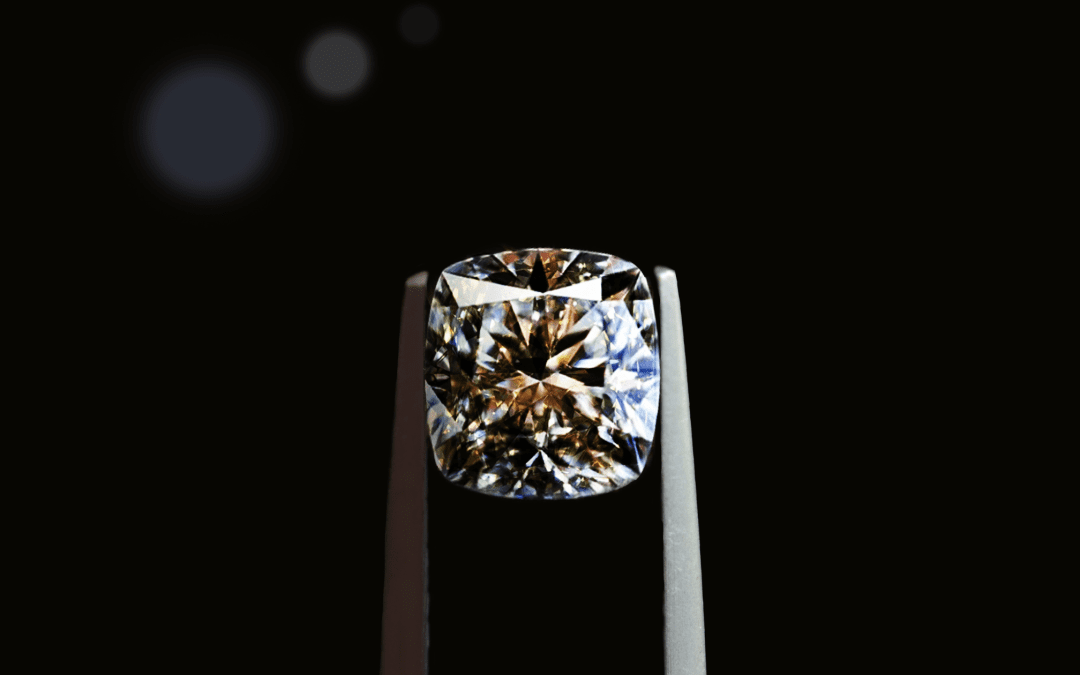
- Cushion: Soft, rounded corners with a pillow-like shape. Known for its vintage charm and good fire, which refers to the colorful flashes of light.
Consider the wearer’s personal style and preferences. The shape should complement the wearer’s hand and finger shape. For instance, elongated shapes like oval and marquise can make short fingers look longer, while round and square shapes suit a variety of hand types.
Certification and Authenticity
Always ensure the diamond comes with a certification from a reputable grading laboratory such as the Gemological Institute of America (GIA) or the American Gem Society (AGS). Certification provides an unbiased assessment of the diamond’s quality, including details about the 4Cs.
- Importance of Certification: Certified diamonds come with a detailed report that verifies their quality. This documentation is crucial for insurance purposes and future resale value.
Inspecting the Diamond
When buying a loose diamond, it’s essential to inspect it closely. Here’s what to look for:
Sparkle and Brilliance
Observe how the diamond reflects light. A well-cut diamond will have a bright and lively appearance.
- Tip: View the diamond under different lighting conditions to see how it performs in various environments.
Inclusions and Blemishes
Use a jeweler’s loupe or microscope to check for any inclusions or blemishes. Ensure they do not significantly impact the diamond’s beauty.
- Tip: Focus on the location of inclusions. Inclusions at the edges can be hidden by the setting, while those in the center may be more noticeable.
Color
Compare the diamond against a white background to gauge its color accurately. Ensure it meets your preference and standards.
- Tip: Consider the metal of the setting. Yellow gold can mask slight yellow tints in diamonds, while white metals like platinum and white gold highlight the diamond’s color.
How To Care For A Diamond
Regular Cleaning
Clean your diamond regularly using a gentle solution of water and mild dish soap. Avoid harsh chemicals that can damage the diamond or its setting.
Professional Maintenance
Schedule regular check-ups with a professional jeweler to ensure your diamond remains secure in its setting and maintains its beauty.
Conclusion
Buying a loose diamond is a significant and rewarding investment, and making an informed decision is crucial to ensure you select a stone that meets your expectations and desires. By thoroughly understanding the 4Cs—Carat, Cut, Color, and Clarity—you can evaluate the quality and value of your diamond with confidence. Setting a budget, choosing the appropriate shape, and securing a certified diamond are key steps in this process.
At Beard Fine Jewelers, we are committed to providing expert guidance and support throughout your diamond-buying journey. Our knowledgeable staff is dedicated to helping you find the perfect diamond, tailored to your unique preferences and lifestyle. We take pride in our reputation for excellence and look forward to assisting you in making a memorable and meaningful purchase.