

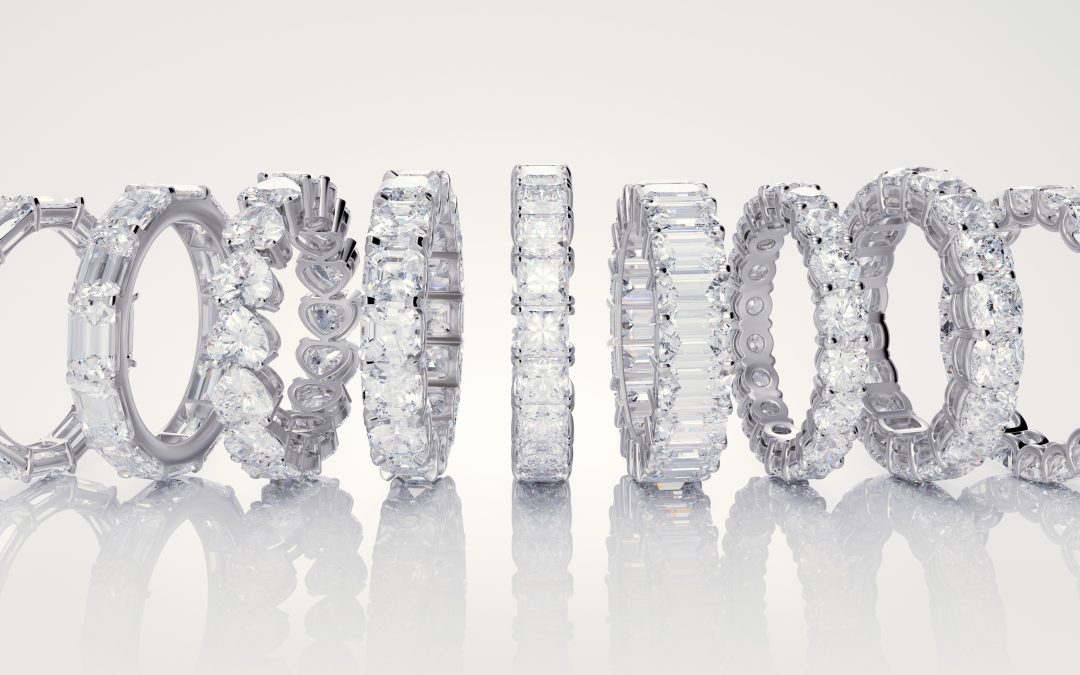
Yes — a professional jeweler can tell the difference between a lab grown diamond and a natural diamond, but not simply by looking at it with the naked eye. Both diamonds appear identical in brilliance, hardness, and overall beauty. To determine their origin, jewelers rely on specialized equipment and gemological testing that detects subtle growth patterns within the stone.
For most people comparing diamonds, the visual difference isn’t the issue. What matters more is how the diamond was created, how it’s graded, and which option best fits the ring you want to wear every day.
At Beard Fine Jewelers in Lufkin, Texas, this question often comes up during engagement ring consultations. Understanding how jewelers identify lab grown diamonds — and why it matters — helps you make confident decisions when choosing a diamond that will celebrate an important milestone in your life.
Why Lab Grown And Natural Diamonds Look The Same
Lab grown diamonds are chemically and physically identical to natural diamonds.
Both are made of crystallized carbon and share the same key characteristics:
- Hardness of 10 on the Mohs scale
- Identical sparkle and brilliance
- The same crystal structure
- The ability to pass standard diamond testers
This is why even experienced jewelers cannot identify a lab grown diamond simply by examining it in regular lighting.
If two diamonds are cut well and share similar color and clarity grades, they will look virtually identical once set in a ring.
Gem Fact
Most handheld diamond testers measure thermal conductivity, which is why both natural and lab grown diamonds pass the same test. Identifying the diamond’s origin requires more advanced gemological equipment.
How Jewelers Actually Identify Lab Grown Diamonds
Professional jewelers use specialized tools to identify the growth patterns created during the diamond formation process.
These tests allow us to determine whether a diamond formed naturally underground or inside a laboratory.
Advanced Screening Equipment
Modern jewelry stores often use diamond verification instruments that analyze how light interacts with the stone’s crystal structure.
These machines can quickly flag whether a diamond may be lab grown and require further evaluation.
Microscopic Growth Patterns
Under magnification, diamonds often show subtle internal patterns called growth structures.
Natural diamonds typically form in octahedral growth patterns, while many lab grown diamonds display distinctive patterns created during the HPHT or CVD growing process.
These differences are extremely small — but gemologists trained in diamond identification know exactly what to look for.
Certification Reports
One of the most reliable ways to identify a diamond is through its grading report.
Major gemological laboratories issue reports that clearly indicate whether the diamond is:
- Natural
- Laboratory grown
These reports also include the diamond’s cut, color, clarity, and carat weight.
Why Proper Identification Matters
For many people, the purpose of identifying a diamond’s origin is simply to ensure transparency when buying or selling jewelry.
The two diamonds are visually similar, but their pricing structures are different.
Knowing what you have helps you:
- Accurately insure your jewelry
- Understand its market value
- Choose the right diamond for your budget
If you’ve inherited a diamond ring or purchased jewelry years ago, having it examined by a jeweler is often the best way to clarify exactly what the stone is.
From The Jeweler’s Bench
Sometimes clients bring in jewelry that has been in their family for decades and ask whether the diamond could be lab grown.
In reality, most older pieces predate modern laboratory diamond production, so the stone is almost always natural. A quick professional inspection usually answers that question right away.
Can You Tell At Home If A Diamond Is Lab Grown?
In most cases, no — determining a diamond’s origin at home isn’t reliable.
Common suggestions online, such as examining the sparkle or fogging the diamond with your breath, do not distinguish between lab grown and natural diamonds.
Both diamonds behave the same way in these situations.
If you truly want to know the difference, the best step is to have the diamond evaluated by a professional jeweler who has access to proper testing tools.
This type of verification usually takes only a few minutes.
When This Question Usually Comes Up
People tend to ask whether a jeweler can identify lab grown diamonds during a few common situations.
Before Purchasing A Diamond
Many couples want clarity before selecting an engagement ring.
Seeing natural and lab grown diamonds side by side often helps you decide which option aligns best with your priorities.
When Upgrading Or Resetting Jewelry
If you’re redesigning a ring or resetting a diamond into a new setting, jewelers will often verify the diamond during the process.
This ensures the stone is documented properly before work begins.
When Appraising Jewelry
A professional jewelry appraisal includes identifying the diamond type.
That documentation helps protect your jewelry through insurance coverage and valuation records.
Expert Tip
If you’re comparing diamonds, focus on cut quality and proportions first. A well-cut diamond — whether natural or lab grown — will always appear brighter and more lively than a poorly cut stone.
Lab Grown Vs Natural Diamonds At A Glance
The following comparison highlights the practical differences most people consider when choosing a diamond.
| Feature | Lab Grown Diamonds | Natural Diamonds |
| Formation | Created in laboratories | Formed naturally underground |
| Composition | Carbon crystal | Carbon crystal |
| Appearance | Identical sparkle | Identical sparkle |
| Identification | Requires specialized equipment | Requires specialized equipment |
| Pricing | Typically lower per carat | Typically higher per carat |
| Grading | Same 4Cs grading system | Same 4Cs grading system |
Both diamonds are real and durable enough for everyday wear in engagement rings and fine jewelry.
The right choice usually depends on your personal preferences and priorities.
Our Perspective After Four Decades In Fine Jewelry
At Beard Fine Jewelers, helping people choose the right diamond has been part of our work in Lufkin for over 40 years.
What we’ve seen over time is that most people aren’t trying to solve a technical question about diamond identification. Instead, they’re deciding which diamond feels right for the ring they’re creating.
Some couples appreciate the geological story behind natural diamonds. Others prefer the flexibility that lab grown diamonds provide when selecting larger carat sizes or custom designs.
Both options can create beautiful engagement rings — especially when paired with exceptional craftsmanship and thoughtfully designed settings from collections such as Gabriel & Co., Sylvie, or Uneek.
The key is understanding your options clearly so you can make a confident choice.
Seeing Diamonds In Person Makes The Difference
While reading about diamonds is helpful, seeing them in person often answers many questions immediately.
When you compare diamonds side by side, you can better understand:
- How different carat sizes look on your hand
- How settings influence the appearance of the diamond
- Which shape and proportions match your style
That experience is often the moment when everything becomes clear.
Visit Beard Fine Jewelers In Lufkin, Texas
Choosing a diamond is about more than understanding its origin. It’s about selecting a stone that represents a meaningful chapter in your life.
For more than four decades, Beard Fine Jewelers has helped families throughout Lufkin and East Texas celebrate those moments with thoughtfully selected diamonds, expert craftsmanship, and personalized guidance.
If you’d like to compare natural and lab grown diamonds or explore custom engagement ring designs, we’d be happy to walk through the options with you.
Beard Fine Jewelers
2002 S 1st St
Lufkin, TX 75901
(936) 637-2848
A diamond is meant to last a lifetime. Taking a few moments to understand your options helps ensure the one you choose truly feels like yours.