

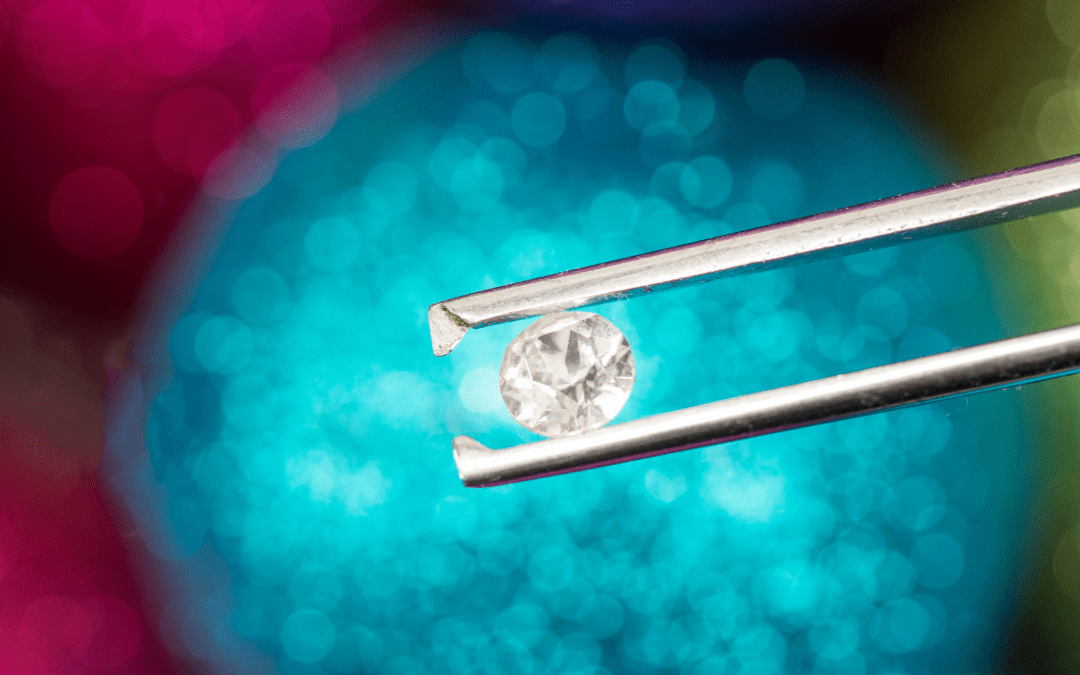
Diamonds are renowned for their unmatched hardness and durability, often symbolizing unbreakable bonds in jewelry such as engagement rings and wedding bands. Yet, despite their reputation, diamonds are not indestructible. Understanding the conditions under which a diamond can chip or break is crucial for anyone looking to invest in or care for diamond jewelry. At Beard Fine Jewelers, we believe in educating our customers about every aspect of diamond care, including their potential vulnerabilities.
The Hardness of Diamonds
Mohs Scale of Mineral Hardness
Diamonds rank at the top of the Mohs scale of mineral hardness, scoring a perfect 10. This means they are exceptionally resistant to scratches and are the hardest known natural material. However, hardness should not be confused with toughness. Hardness measures a gemstone’s ability to resist surface scratches, whereas toughness refers to its ability to withstand breaking, chipping, or cracking.
The Structure of Diamonds
Diamonds are formed under high-pressure, high-temperature conditions deep within the Earth and are made entirely of carbon atoms arranged in a crystal lattice. While this structure grants them incredible hardness, it also introduces planes of weakness along which the diamond can potentially split if subjected to a sharp blow.
Vulnerabilities of Diamonds
Chipping and Breaking
Despite their hardness, diamonds can chip or break if struck with sufficient force at the right angle, particularly along their natural cleavage lines. Common scenarios that might lead to such damage include:
- Accidental Strikes: Hitting a diamond ring against a hard surface during everyday activities can cause chipping, especially if the impact is at an angle conducive to the diamond’s cleavage.
- Improper Setting: Diamonds that are not set correctly or that are set in high, exposed mountings like a high prong setting may be more vulnerable to chipping. Protective settings, such as bezel settings, can reduce this risk by covering more of the diamond’s edges.
Wear and Tear
Over time, the repeated exposure to various impacts and pressures can cause microscopic flaws in a diamond to become more pronounced, potentially leading to chipping or cracking. Regular professional inspections can help identify and address such vulnerabilities before significant damage occurs.
Preventative Measures
Appropriate Settings
Choosing the right setting can greatly enhance the protection of a diamond. Settings that shield the diamond’s girdle, such as bezel settings or halo designs, can help safeguard against accidental knocks and diminish the chances of chipping.
Regular Maintenance
Routine maintenance, including professional cleaning and inspection, ensures that any setting weaknesses or potential diamond damage are identified and addressed early. This can include tightening loose stones or adjusting settings that may expose the diamond to damage.
Wearing with Care
Being mindful of when and how you wear diamond jewelry can prevent damage. It’s advisable to remove diamond rings during high-risk activities such as sports, gardening, or manual labor to prevent accidental strikes or exposure to harsh chemicals.
Diamond Recovery and Repair
- When Damage Occurs: If a diamond is chipped or cracked, it’s essential to consult with a professional jeweler to assess the feasibility of repairing the stone. Jewelers can evaluate the extent of the damage and propose solutions such as re-cutting or re-polishing the diamond to remove or minimize the blemish.
- Re-cutting the Diamond: Re-cutting a chipped diamond can often restore its appearance and usability. However, this process may result in a slight reduction in carat weight, potentially affecting the stone’s value. The decision to re-cut should consider both aesthetic and financial factors.
- Re-polishing for Minor Damage: For minor surface damage, re-polishing might be sufficient to restore the diamond’s brilliance without significantly reducing its size. This process involves removing a very thin layer from the surface of the diamond to eliminate scratches or small chips.
- Handling and Prevention: Post-repair, it’s vital to handle diamonds carefully to avoid future damage. Jewelers can offer advice on how to wear, clean, and store diamonds safely. Moreover, they might suggest revisiting the setting of the diamond to enhance protection if the original setting contributed to the damage.
Insurance for Diamond Jewelry
- Protecting Your Investment: Diamond jewelry represents not only a significant financial investment but also sentimental value. Securing insurance for your diamond jewelry is crucial to protect against loss, theft, or damage. Jewelry insurance policies typically cover the full cost of replacing or repairing the item, ensuring that your investment is protected under a variety of circumstances.
- Choosing the Right Policy: When selecting a jewelry insurance policy, it’s important to understand the terms and coverage details. Some policies might offer replacement value, while others provide the cash value at the time of the loss. It’s also wise to check whether the policy covers accidental damage, as this is a common risk for items worn daily, like engagement rings.
- Documentation and Appraisals: To insure your diamond jewelry, you will likely need a detailed appraisal from a certified gemologist. This appraisal should include descriptions of the diamond’s 4 Cs (cut, color, clarity, and carat weight), the metal type, and any other distinctive features. Regular appraisals are recommended to ensure that insurance coverage reflects the current market value, especially as the prices of precious metals and gemstones fluctuate.
Conclusion
While diamonds are incredibly hard and durable, they are not immune to damage. Proper care, thoughtful handling, and regular maintenance are essential to preserving the beauty and integrity of your diamond jewelry. At Beard Fine Jewelers, we offer expert advice and maintenance services to ensure that your precious diamond pieces remain in pristine condition for years to come. Whether you’re buying a new piece or taking care of a beloved heirloom, understanding the care required can help you protect your investment and enjoy your jewelry without worry.